

The world of aviation is a tapestry woven with stories of extraordinary individuals whose journeys have shaped the course of flight history. From the Wright brothers’ inaugural flight in 1903 to the modern-day innovations in aerospace technology, the path of flight legends is marked by triumphs, failures, and the relentless pursuit of the skies. This report delves into the unpredictable journeys of these aviation pioneers, exploring their contributions, challenges, and the lasting impact they have left on the world of flight.
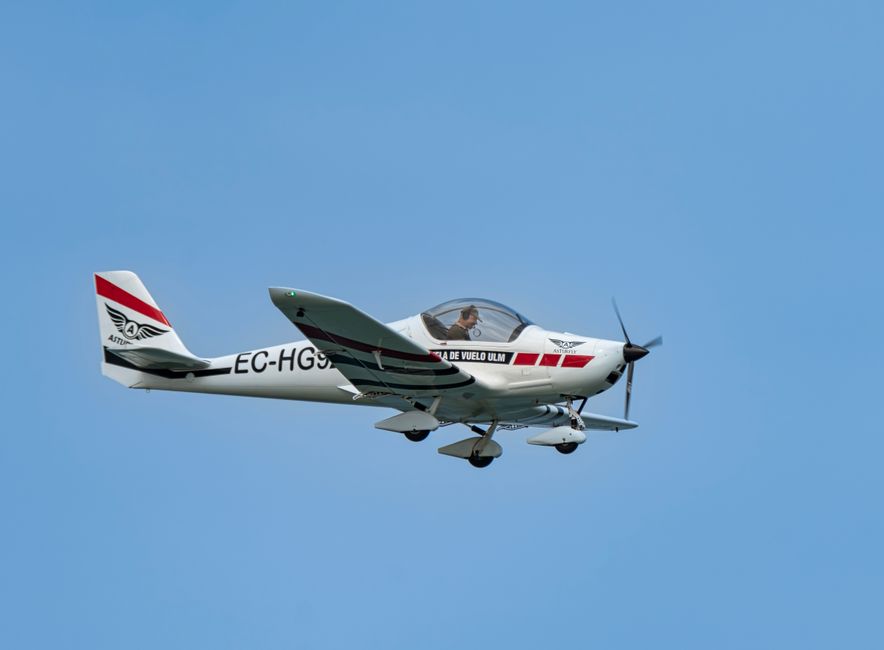
The story of aviation begins with Orville and Wilbur Wright, who, after years of experimentation, achieved the first powered flight on December 17, 1903, in Kitty Hawk, North Carolina. Their journey was not without setbacks; they faced numerous failures, including crashes and financial difficulties. However, their persistence paid off, and their invention laid the groundwork for modern aviation. The Wright brothers’ innovative spirit and engineering prowess inspired future generations of aviators and engineers.
Following the Wright brothers, figures like Amelia Earhart emerged, breaking barriers in the early 20th century. Earhart’s transatlantic flight in 1928 made her the first woman to fly solo across the Atlantic Ocean. Her journey was not just about personal achievement; it symbolized the potential for women in aviation, challenging societal norms and inspiring countless women to pursue careers in aviation and beyond. Earhart’s mysterious disappearance in 1937 during her attempt to circumnavigate the globe only added to her legend, cementing her status as an icon of courage and determination.
The 1920s to the 1940s is often referred to as the Golden Age of Aviation, marked by rapid advancements in aircraft technology and the emergence of commercial air travel. Aviation legends such as Charles Lindbergh, who completed the first solo nonstop transatlantic flight in 1927, captured the public’s imagination. Lindbergh’s journey on the Spirit of St. Louis was fraught with challenges, including navigation difficulties and the threat of fatigue. His successful flight not only earned him fame but also propelled the aviation industry into a new era, inspiring investment and innovation.
During this period, Howard Hughes also made significant contributions to aviation. A brilliant businessman and aviator, Hughes set multiple speed records and designed the H-4 Hercules, an enormous flying boat. His relentless pursuit of aviation excellence was mirrored by his eccentric lifestyle, showcasing the unpredictable nature of those who dared to push the boundaries of flight. Hughes’ legacy is a testament to the intersection of ambition, innovation, and the human spirit.
World War II dramatically transformed aviation, leading to significant advancements in aircraft technology and tactics. The war saw the emergence of legendary pilots such as Chuck Yeager, who became the first person to break the sound barrier in 1947. Yeager’s journey was not just a personal achievement; it represented a milestone in aerodynamics and engineering, paving the way for supersonic flight and the future of military aviation.
The war also brought forth the concept of strategic bombing, where pilots like Jimmy Doolittle led daring raids that changed the course of battles. Doolittle’s famous raid on Tokyo in 1942 showcased the potential of air power and the bravery of those who flew into enemy territory. The unpredictability of war tested the mettle of these pilots, who faced life-and-death situations in their quest to protect their nations.
The post-war era marked the beginning of commercial aviation as we know it today. Figures like Juan Trippe, founder of Pan American World Airways, played a crucial role in making air travel accessible to the masses. Trippe’s vision of global connectivity transformed the aviation industry, leading to the establishment of international routes and the introduction of jet aircraft.
However, the journey of commercial aviation was not without its challenges. The emergence of new regulations, economic downturns, and safety concerns shaped the industry’s landscape. The 1970s saw the introduction of the Boeing 747, a game-changer that revolutionized air travel by allowing airlines to transport larger numbers of passengers over longer distances. This innovation marked the beginning of a new era, making air travel more affordable and efficient.
In the 21st century, aviation legends continue to emerge, pushing the boundaries of technology and sustainability. Innovators like Elon Musk and Jeff Bezos are redefining the future of flight with projects aimed at space travel and commercial space tourism. Their journeys are characterized by risk-taking and a willingness to embrace the unknown, reminiscent of the pioneers who first took to the skies.
However, the aviation industry also faces significant challenges, including environmental concerns and the impact of global events such as the COVID-19 pandemic. The unpredictability of these factors has forced the industry to adapt and innovate. Efforts to develop sustainable aviation fuels and electric aircraft are underway, reflecting a commitment to reducing the environmental footprint of air travel.
The journeys of flight legends are a testament to the human spirit’s resilience and ingenuity. Their stories inspire future generations to dream big and pursue their passions, whether in aviation or other fields. The unpredictability of their journeys serves as a reminder that failure is often a stepping stone to success. As we look to the future of aviation, it is essential to honor the legacies of those who came before us, recognizing their contributions to a world where the skies are more accessible than ever.
In conclusion, the unpredictable journey of flight legends is a rich narrative filled with ambition, courage, and innovation. From the early pioneers who first took to the skies to the modern-day visionaries redefining the future of aviation, their stories continue to inspire and shape the world of flight. As we navigate the challenges of the present and future, we must remember the lessons learned from these legends and strive to honor their legacy by continuing to push the boundaries of what is possible in aviation.